


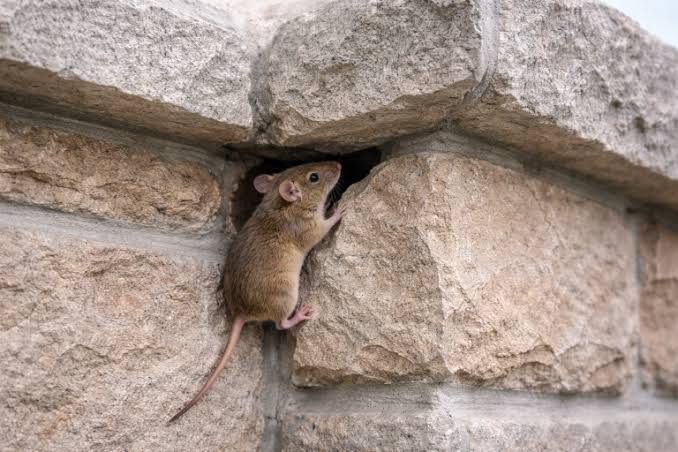
When the weather turns cold, mice look for somewhere warm, dry and full of food, and your home fits the description. Mice are one of the most common pest problems we see across Toronto and the surrounding areas, and they are rarely a one-mouse problem. By the time you see one, there are usually more.
This guide covers the signs of an infestation, why mice are more than a nuisance, the treatment process our technicians follow, and how to stop them from returning.
Signs You Have Mice
Mice are shy and mostly active at night, so you often notice the evidence before the animal. Watch for:
- Droppings: small, dark, rice-sized pellets near food, along walls, under sinks and inside cupboards.
- Scratching or scurrying sounds in walls, ceilings or attics, especially at night.
- Gnaw marks on food packaging, wood, wiring or plastic.
- Nests: shredded paper, fabric or insulation tucked into quiet corners, boxes or wall voids.
- Grease marks along baseboards where mice repeatedly run.
- A musty, ammonia-like smell in enclosed spaces.
- Pets acting strangely, such as staring at or pawing at walls and appliances.
Why Mice Are More Than a Nuisance
- Health risks: mice contaminate food and surfaces with droppings and urine and can spread bacteria and other illnesses.
- Property damage: they chew insulation, wood and wiring. Damaged wiring can become a fire hazard.
- Fast breeding: a small problem can turn into a large infestation within weeks.
- Tiny entry points: a mouse can squeeze through a gap about the size of a pencil, so a “sealed” home often isn’t.
Our Mice Treatment Process
A mouse problem is not solved by setting a few traps. Lasting results come from removing the mice and closing off the ways they got in. Here is how our team does it.
Step 1: Inspection
A technician inspects your home inside and out. We check the kitchen, basement, attic, garage, crawl spaces and around the foundation, looking for droppings, nests, gnaw marks, travel routes and the entry points mice are using. This tells us how serious the infestation is and where to focus.
Step 2: Treatment Plan
Based on what we find, we build a plan for your home and explain it clearly before we start. We use treatment methods suited to your property and your household, and we take extra care in homes with children and pets.
Step 3: Trapping and Baiting
We place traps and tamper-resistant bait stations in the areas where mice are most active, such as along walls, behind appliances and in attics and basements. Placement matters more than quantity: mice follow the same routes every night, so we put control measures directly in their path.
Step 4: Sealing Entry Points (Exclusion)
This is the step that keeps mice from coming back. We locate and seal gaps around pipes, vents, doors, foundations and rooflines using materials mice cannot chew through. Without sealing, new mice simply move in after the old ones are gone.
Step 5: Cleanup and Recommendations
Once the activity is under control, we advise on cleaning up droppings and nesting material safely, and on removing food and shelter sources. We also point out any problem areas, such as clutter, damaged screens or poor storage, that could invite mice back.
Step 6: Follow-Up Visits
Mice are persistent, so we don’t stop after the first visit. We return to check the traps and bait stations, confirm that activity has stopped, and make adjustments if we find anything new. Follow-ups are how we make sure the problem is truly solved.
How to Prevent Mice in Your Home
Prevention is much cheaper than treatment. These habits make your home far less attractive to mice:
- Seal gaps and cracks. Check around pipes, vents, windows, doors and the foundation. Use steel wool, caulk or metal mesh. Mice can chew through foam and plastic.
- Store food properly. Keep dry goods, pet food and bird seed in sealed glass, metal or heavy plastic containers.
- Clean up crumbs and spills. Wipe counters, sweep floors and don’t leave dirty dishes out overnight.
- Take garbage out regularly, and use bins with tight lids, both inside and outside.
- Reduce clutter. Piles of boxes, paper and clothes in basements, garages and attics give mice places to hide and nest.
- Keep the outside tidy. Trim shrubs and trees away from the house, store firewood away from walls, and clear fallen fruit and debris.
- Install door sweeps and repair damaged screens on garage doors, basement windows and vents.
- Inspect seasonally, especially in fall before cold weather pushes mice indoors.
DIY vs. Professional Mice Control
Store-bought traps can catch a few mice, but they don’t find the source or seal the entry points, so the problem often returns. It’s time to call a professional if you:
- keep seeing droppings or hearing noises after setting traps,
- suspect mice are in the walls, attic or ceiling,
- have children or pets and want safe, controlled treatment,
- want the problem solved and prevented, not just temporarily reduced.
Get Rid of Mice with All in One Pest Control
Don’t wait for a small problem to become a big one. Our experienced technicians will inspect your home, remove the mice and seal the entry points so they don’t come back.
Call us today at 416-877-0947 to book your mice inspection and treatment in Toronto and surrounding areas.
